


A Quiet Storm of Sound and Vision
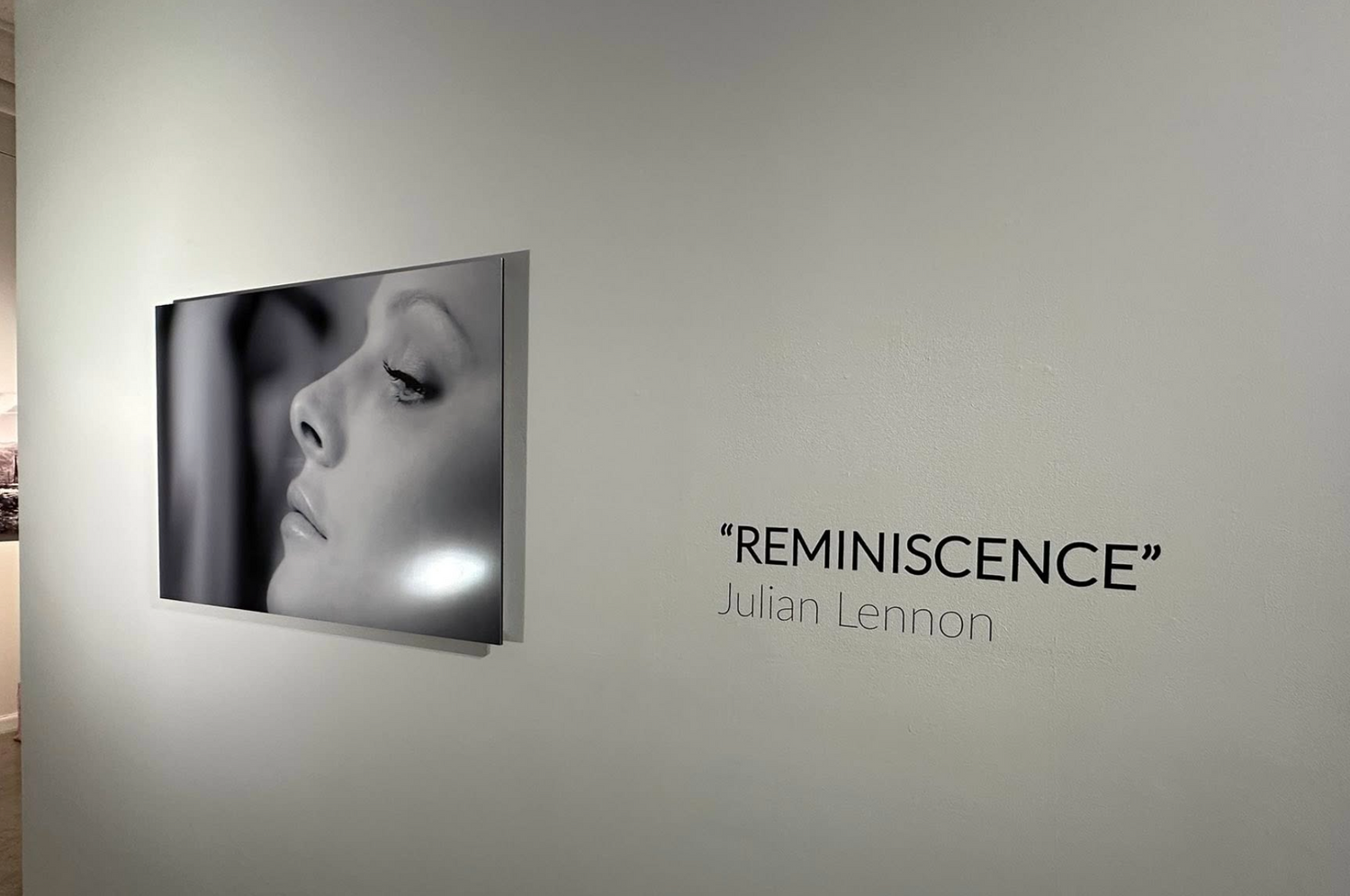
Earlier this year, Julian Lennon unveiled Reminiscence, a photographic exhibition at Fremin Gallery in Chelsea that quietly reminded the art world—and the music world—why he has always been more than just a name.
Though the show has since closed (it ran from March 6 to April 6, 2025), Reminiscence left behind an impression that lingers like one of Julian’s softer ballads—subtle, layered, and emotionally resonant. It was a visual body of work that seemed to hum in harmony with his music.
For those unfamiliar: Julian Lennon emerged in the 1980s with a sound that did not trade on nostalgia. His debut album Valotte featured thoughtful, piano-driven songwriting and earned him a Grammy nomination, helping establish his own musical identity outside the long shadow of his father, John Lennon. Across seven albums, including Photograph Smile and 2022’s Jude, Julian has remained a sincere, melody-driven artist whose themes often revolve around reflection, distance, and hope.
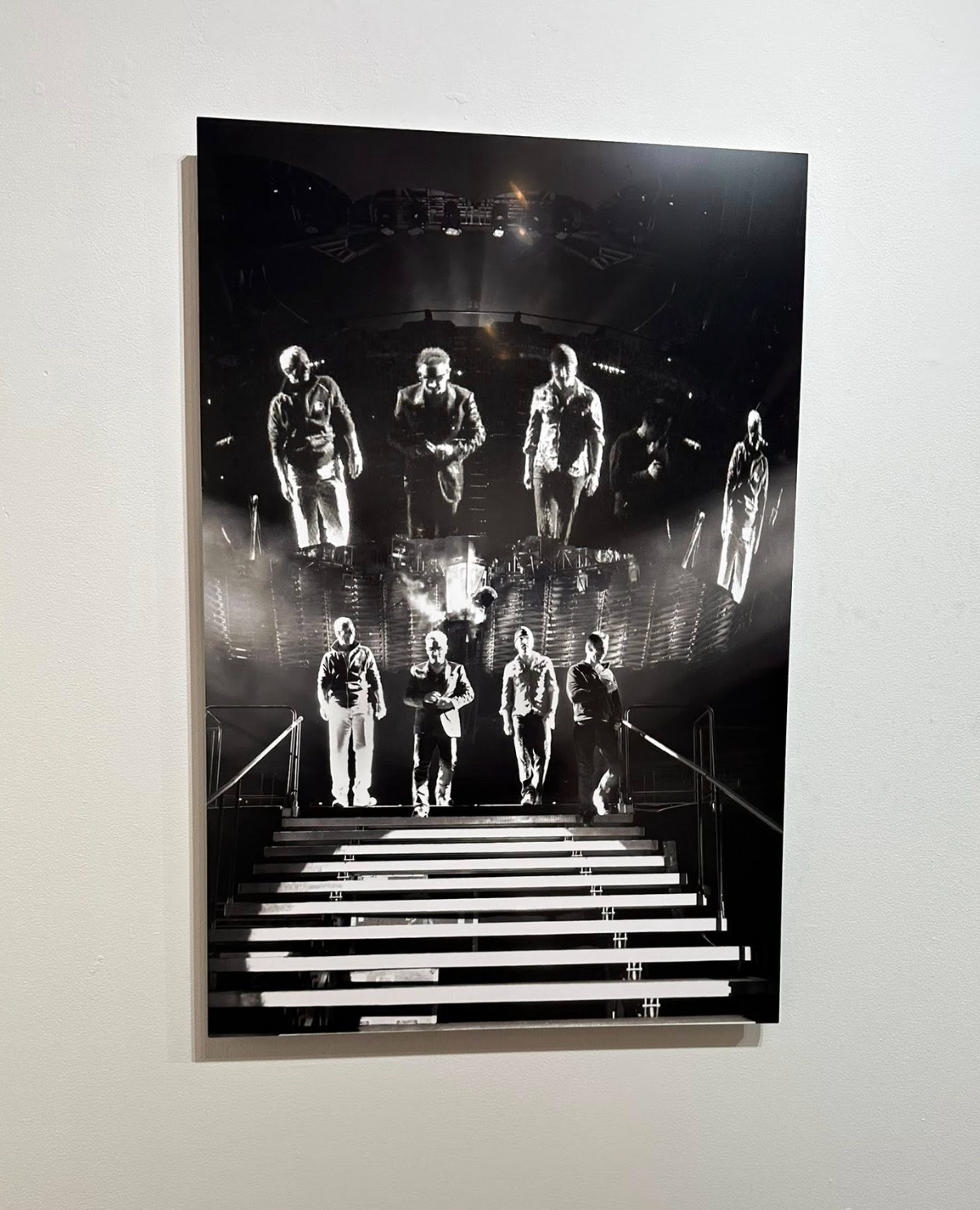
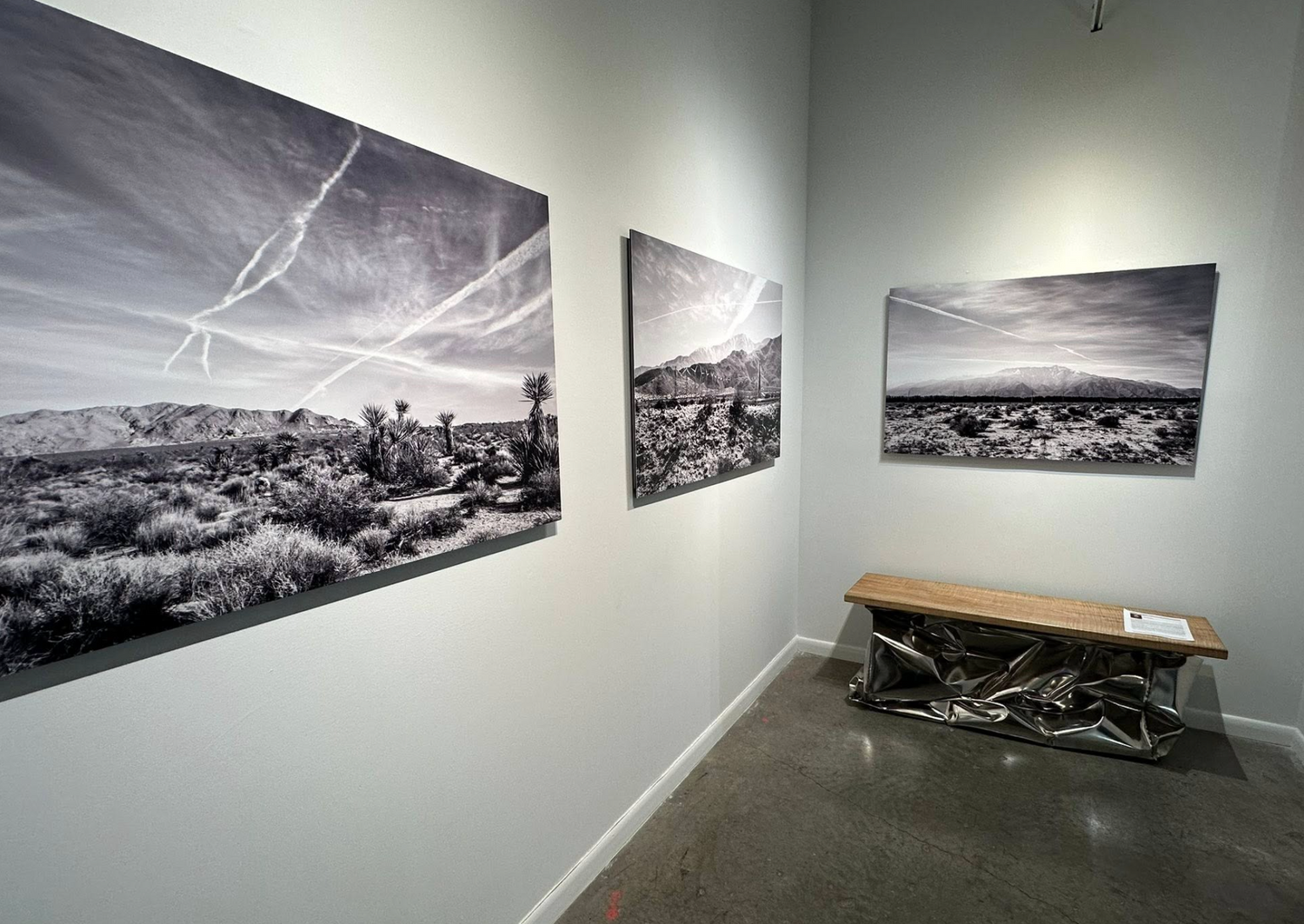
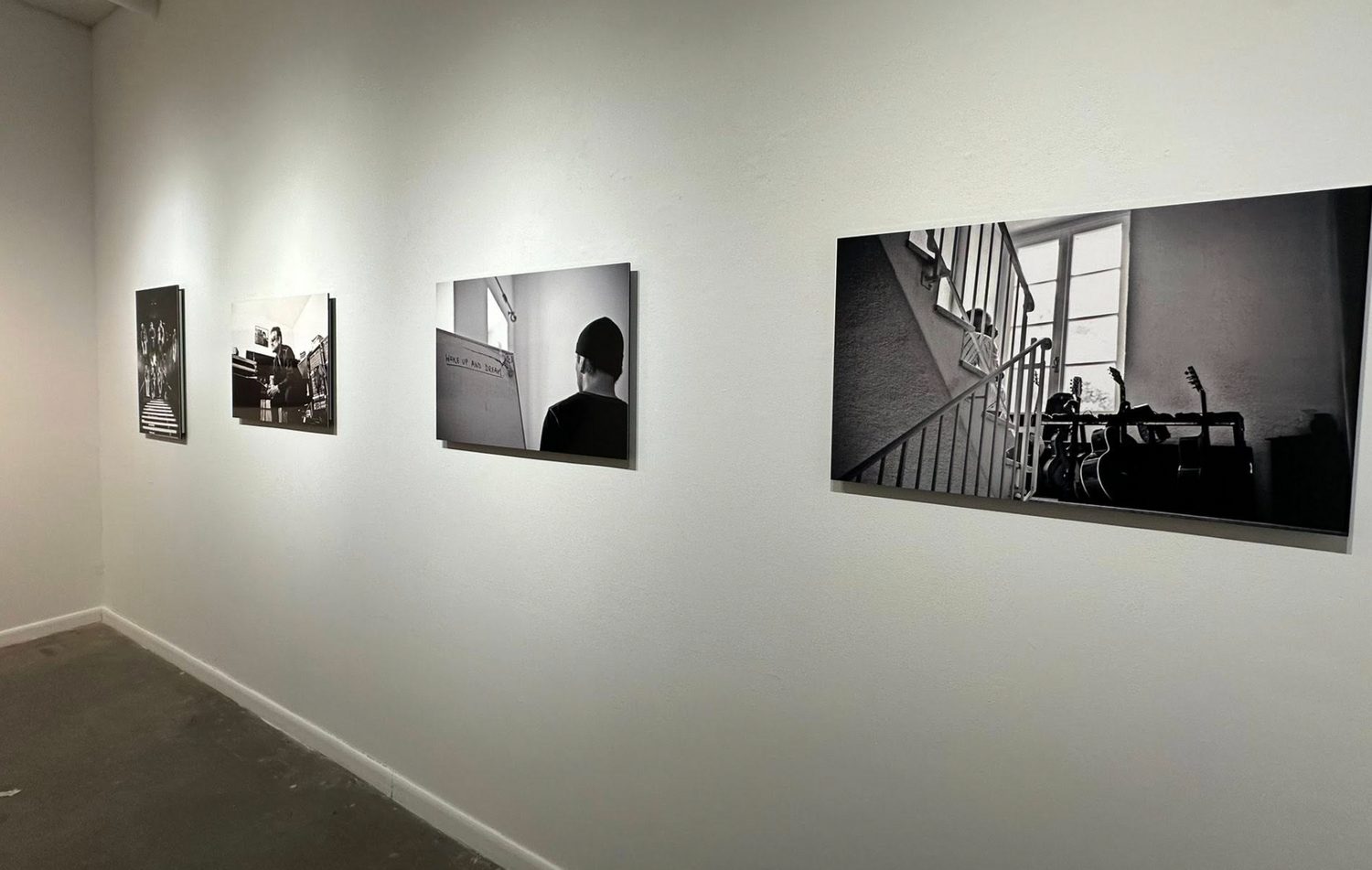
That same spirit fuels his photography. Entirely self-taught, Julian has been capturing images for over two decades. He does not overproduce or overstage; instead, he observes, letting the world offer up its quiet stories. Reminiscence pulled from years of travel and introspection, showcasing scenes from Japan, Monaco, Cuba, and the American Southwest. Its tone is minimalist yet deeply emotive, like ambient music rendered through light and shadow.
There is a cinematic stillness to these photos. One striking portrait of Charlene Wittstock holds a poised grace, while mist-draped landscapes and crumbling cars in Havana evoke an air of history moving through the present. The result is not loud or showy. It is slow-burning and elegant.
Much of the work ties into Julian’s philanthropic efforts, particularly through the White Feather Foundation—a nonprofit he founded to support access to clean water, Indigenous rights, environmental issues, and cultural preservation. His eye is drawn to people, places, and textures that carry stories of resilience. In this way, the photos act as both aesthetic works and quiet acts of advocacy.
What makes Reminiscence so compelling for a music audience is how it reflects the same emotional terrain his albums cover. The photos feel like songs: patient, moody, and built around atmosphere rather than climax. His landscapes could be instrumentals, his portraits verses.
Even the curation of the show felt musical—balanced like a good setlist. And while Reminiscence is no longer on display, many of the pieces are included in his 2024 photo book, Life’s Fragile Moments, which functions as both a retrospective and a companion to the exhibition.
For those who have followed Julian Lennon across formats—music, photography, books, film—Reminiscence was another quiet triumph in a career built on authenticity. He is not chasing headlines or legacy. He is chasing stillness, story, and connection.
In the end, whether behind a microphone or behind the lens, Julian Lennon’s strength has always been in how he listens—to people, to silence, to the world. And in Reminiscence, you could see that, frame by frame.


