The Carter Family
Country Music Traditions and Evolution.
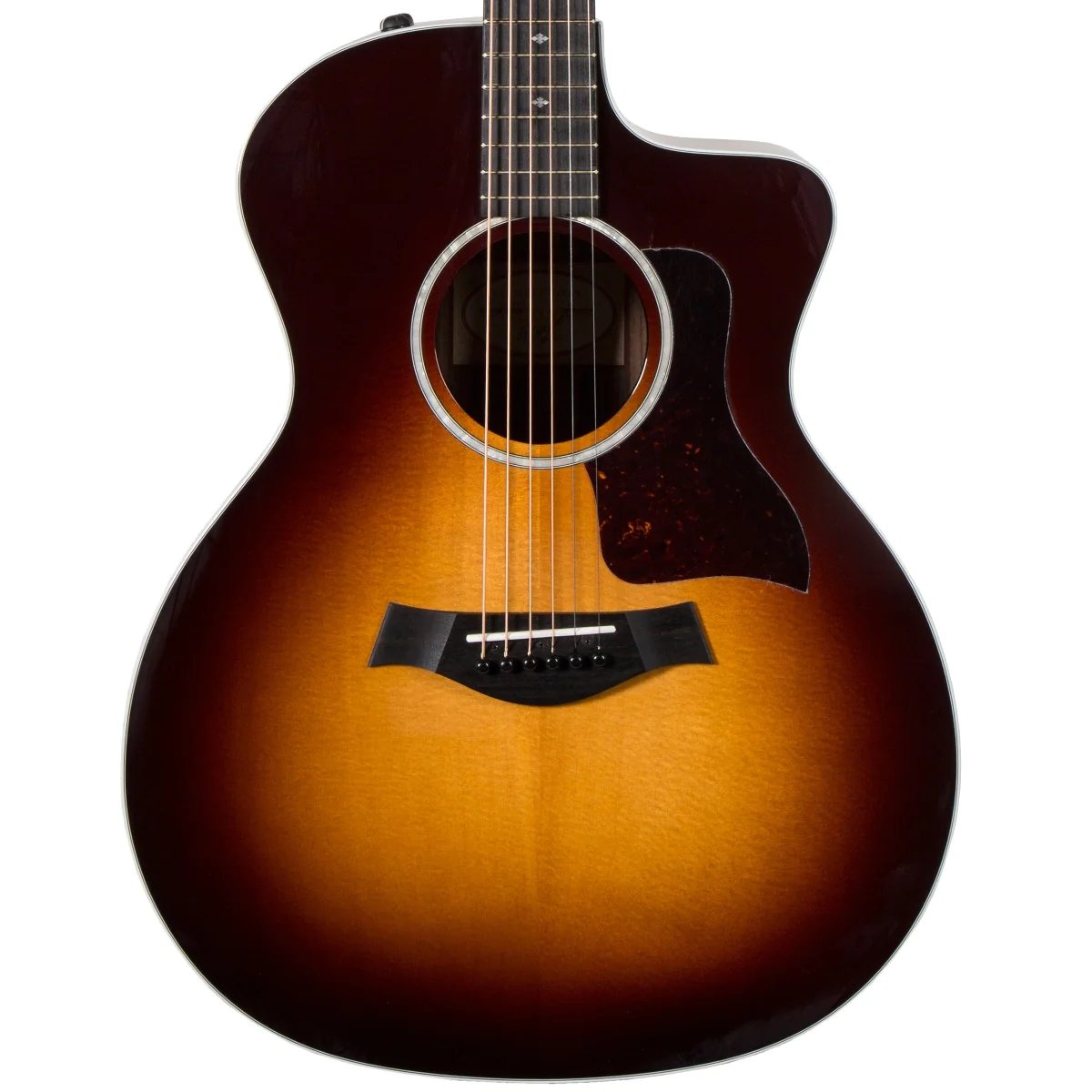
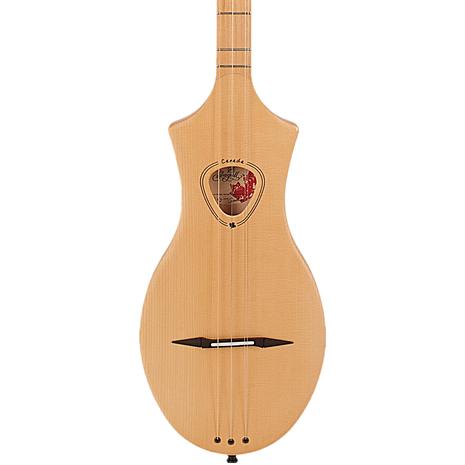
Originally called “Hillbilly” music, Country draws on folk, blues, gospel, and spiritual music. The lyrics often reflect the lives, experiences, and struggles of everyday people. The most commonly used instrumental accompaniment was the plectrum Banjo, Parlor and slack-tuned (Hawaiian-style) Guitar, Mandolin, Autoharp, Dulcimer, and, of course, the Violin (uh, Fiddle). Country music's roots grow deepest in the rural South and the Appalachian Mountains of the Carolinas, Virginia, and Tennessee, where it became a regionally popular phenomenon in the early 20th Century.
In the late 1920s and early 1930s, Hillbilly and Old Time music from the rural “country” found widespread popularity for the first time, through the radio. Live from “The Grand Ole Opry,” broadcasts on WSM Radio began in 1925 in Nashville, Tennessee. Artists such as the Carter Family and Jimmy Rogers helped establish the mixture of rural styles and became Country music's first major stars. By the mid-1930s, Western-style country music, bolstered by Hollywood, made singing cowboys like Gene Autry and Roy Rogers into huge stars. Bob Wills and his Texas Playboys fused country with western swing, drums, and electric guitars. In the 40s, Bill Monroe and his Blue Grass Boys (particularly Earl Scruggs, who reinvented the 5-string banjo) rejuvenated Country Music’s traditional string-band sound with a new level of sophistication. Along came Hank Williams, the Honky-Tonk sound, and the Juke Box, further defining and popularizing Country Music. By 1939, the Grand Ole Opry radio show was picked up and syndicated by WNBC. In 1943, the Opry was moved to the 2,300-seat Ryman Auditorium, solidifying Nashville as the capital of Country Music.
Despite being one of America’s oldest homegrown musical categories, Country music is at an all-time high in popularity. Among many others, artists such as Jason Isbell, Shooter Jennings, and “The Drive-by Truckers” have expanded the alt-country genre and introduced grittier Rock (and even Punk) elements. At the other end of the spectrum, artists such as Zach Bryan, Post Malone, and even Beyoncé effectively infused Pop elements, further expanding the outer borders of Country music.

Modern Country music's widely varied sonic landscape has blurred the hard line between lovers and haters of the style, attracting a far more diverse audience and demand than ever before. Today, the Country Music category leads the pack in audio streaming and has gained more listeners than contemporary genres such as Hip Hop and R&B.
In the heart of downtown Nashville, Tennessee, stands the 350,000 square-foot Country Music Hall of Fame. Country Music’s rich history comes to life through interactive “touchscreen” exhibits, galleries, classrooms, and a 700-seat theater for special events. Behind glass, and nearly close enough to touch, guests are treated to the world's largest collection of historic Country music artifacts. Treasures include Bob Wills's Fiddle, Bill Monroe’s F-style mandolin, guitars owned by Maybelle Carter and Jimmy Rogers--not to mention iconic Nudie Cohen suits worn by Hank Williams, Lefty Frizzell, Porter Wagoner, and more. Just a five-minute walk from the Hall of Fame and directly behind the Ryman Auditorium, a lavender landmark hosts country music’s past, present, and future in a far more tangible way.

Ladies and Gentlemen, Welcome to Tootsies Orchard Lounge.
Tootsie’s is easily one of the world’s most famous Honky-Tonks, as well as being one of the oldest. Excluding its history as “Mom’s” tavern in the 50s, Tootsie’s has open at its original location since 1960, when Hattie Louise “Tootsie” Bess took ownership. No matter how famous (or notorious) the venue, longevity like that is hard to come by. Most red-hot venues, noted for up-and-coming stars and as a launching pad for new musical styles, seem to have a short lifespan. Legendary venues such as CBGB and Max’s Kansas City’s most influential era lasted less than 10 years. Somehow, Tootsies has remained a thriving and relevant hot-spot in the downtown Nashville music scene (and of Country music as a whole) for close to 70 years. Obviously, location and featured musical styles are vastly different. However, that's not what prevented Tootsie’s from closing--or becoming a glorified T-shirt shop with a poor selection of overpriced draft beer.

Hattie Louise "Tootsie" Bess
By all accounts, founder Tootsie Bess’s warmth, generosity, and sense of humor are an inseparable part of the Tootsie’s Lounge experience. She could roll with changes gracefully, which added to the bar's relaxed yet exciting atmosphere and proved essential when booking new artists. A great example of Tootsie’s laid-back attitude can be experienced a block away from the club: When Tootsie discovered that her entire bar had been mistakenly painted in Lavender/Orchard, she adopted the color scheme without fuss, adding “Orchard Lounge” to the club's name. On the other hand, Tootsie was no pushover and did not tolerate rude, drunken behavior. It’s said she’d use a hatpin to poke the backside of anyone who “forgot their manners.” Along with the music, the vibe she created is undoubtedly a big part of what kept locals, fans, aspiring, and established Country music performers coming in night after night.

Tootsies, with the Ryman Auditorium clearly seen behindion
Thousands of Stars and 17 Steps
The 1960s were one of the most exciting times in country music. Early legends such as Roy Acuff, Ernest Tubb, Hank Thompson, and Bill Monroe were still massively popular and actively performing. Webb Pierce, Johnny Cash, Eddy Arnold, Marty Robbins, and Patsy Cline, who in the 50s had already become superstars. The Chet Atkins Nashville sound, and future legends like George Jones, Willie Nelson, and so many more are rising. When Tootsies opened for business in 1960, the entire world of country music was right outside her door. More accurately, her back door, which opened to the alley, Tootsie’s shared the most prestigious venue in Country Music: The Grand Ole Opry/Ryman Auditorium. Quickly, it became commonplace for Opry Stars to slip out back and over to Tootsies to hear the local talent performing or share a beer with Tootsie and her bar full of characters. Even in its early days, Tootsie’s had a reputation as a home-away-from-home community for aspiring country music artists. Pre-fame pickers, singers, and songwriters such as Willy Nelson, Mel Tillis, Tom T. Hall, Waylon Jennings, Roger Miller, or Hank Snow (though he's been everywhere, man) might be sharing a beer on any given day.
Tootsie, or one of her staff, was always ready with a camera to take photos of the Country Music royalty that wandered in through the back door, the still-unknown bands she had booked, and her regular customers. Today, those images adorn just about every formally black space of Tootsie’s walls. Pictures of just about every Country music giant, up-and-comer, known, unknown, or forgotten, all became part of Tootsies' wall of fame over the decades. No place else in the world has such a well-chronicled collection of images that tell the Country music story with more variety and honesty.

Tootsies Today
Much has changed, but much more remains exactly as it was in the early days of Tootsies, when Willie Nelson was sweating his next paycheck. The Grand Ole Opry has moved from the Ryman Auditorium to its own dedicated space, outside downtown Nashville. It was great while it lasted, but it had little impact on Tootsies, which has become a destination in its own right. When the Clash (yeah, the UK punk band) kicked off their 1984 tour at Vanderbilt University in Nashville, it took far more than 17 steps for the band to pay homage to the historic Honky-Tonk.
In 1978, Tootsie Bess passed away. She was laid to rest in an Orchard gown and a casket, and her funeral was attended by County music royalty and commoners, just as she’d have wanted it. Tootsie’s vision and her vibe remain very much alive in the bar where Country music’s past and present are celebrated in equal measure. From its early days, Country music always been steeped in verity and sometimes contradiction. Rowdy Saturday night songs never mixed with Sunday morning spirituals. Over time, Country Music’s evolution often clashed with its own traditions. This was something Tootsie understood with great clarity. Perhaps that’s the secret to the world-famous Honky-Tonks' longevity and success. Since opening day in 1960, through any packed weekend today--all of Country music’s vibrant colors, are celebrated under Tootsie’s lavender roof.